
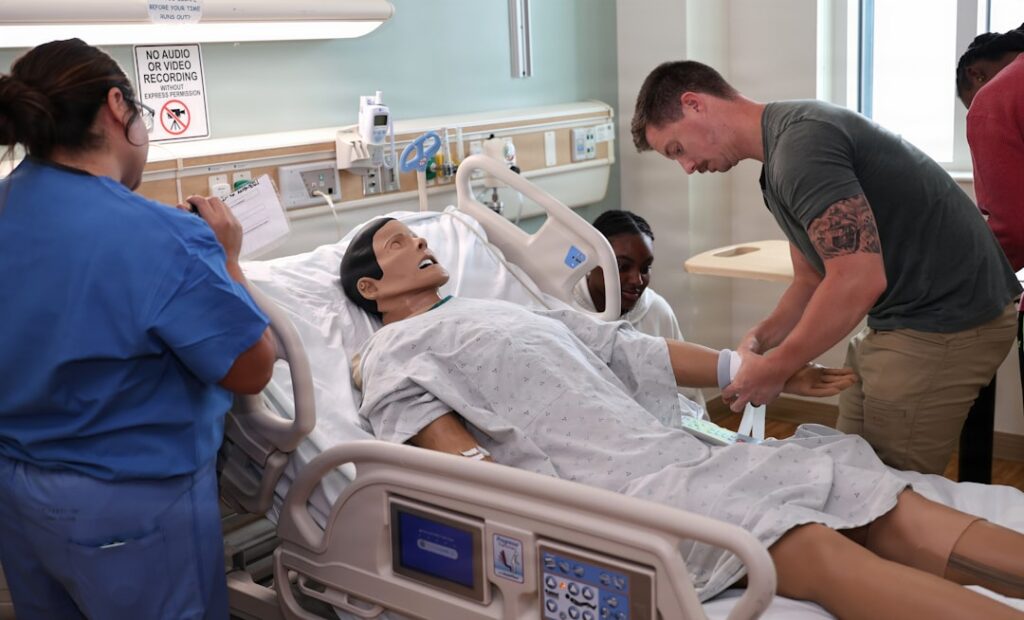
Medical-surgical nursing assignment support helps students analyse complex adult-care scenarios through structured clinical reasoning, current evidence and accurate academic writing. The service is designed for assignments that connect pathophysiology, assessment, deterioration risk, medicines, nursing priorities, interventions, multidisciplinary care and evaluation.
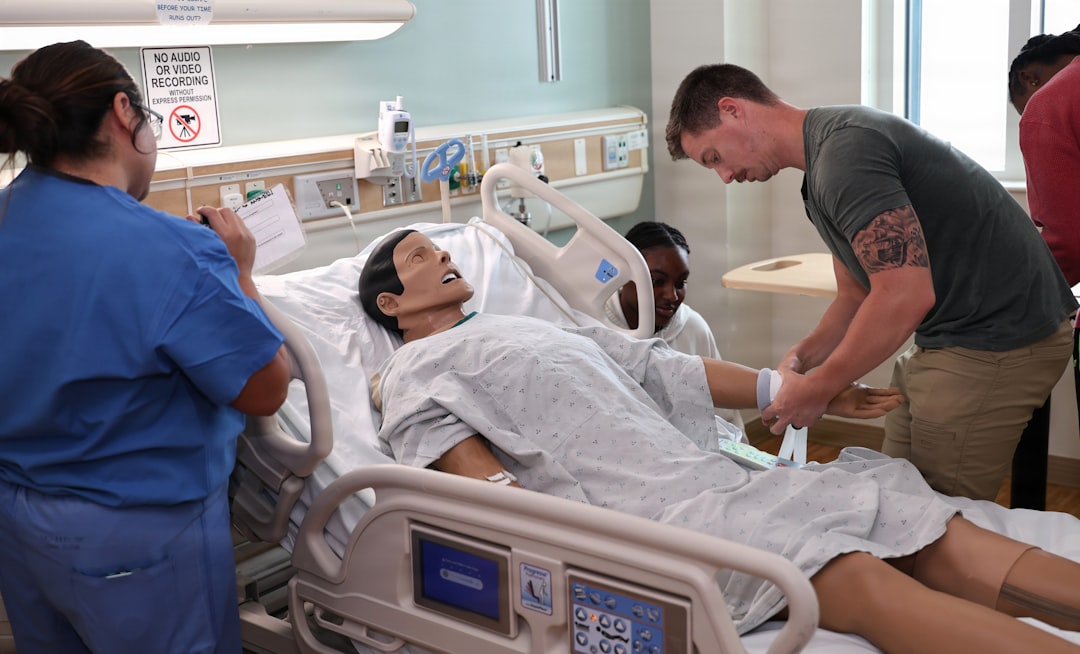
What Medical-Surgical Nursing Assignment Support Includes
Medical-surgical tasks often combine several conditions, multiple medicines and changing observations. A student may need to explain the underlying disease process while also prioritising immediate nursing actions and longer-term recovery needs. We help organise these demands around the brief and marking criteria so the answer remains clinically coherent.
Support can cover case studies, concept maps, care plans, evidence-based essays, unfolding scenarios, clinical judgement exercises and reflective assignments. It is appropriate for adult-health and medical-surgical modules at undergraduate or postgraduate level. Each project is scoped narrowly to the actual assessment rather than filled with generic disease information.
From Pathophysiology to the Patient’s Presentation
Good medical-surgical writing explains why the patient presents with particular signs and symptoms. We help students connect cellular, organ and system changes to assessment findings, laboratory or imaging results supplied in the scenario and the risk of complications. This prevents the pathophysiology section from becoming an unrelated textbook summary.
The depth is adjusted to the academic level and word count. Only mechanisms that help explain the patient’s condition, nursing priorities or treatment are included. Where the case contains comorbidities, their interaction is analysed without allowing every diagnosis to compete for equal attention.
Assessment and Recognition of Deterioration
A systematic assessment provides the basis for safe prioritisation. Depending on the case, this may include airway, breathing, circulation, disability and exposure; pain; neurological status; fluid balance; wounds; mobility; nutrition; infection indicators; medicines; and psychosocial needs. Trends are interpreted when serial observations are available.
Students are supported to distinguish normal findings, concerning abnormalities and information that requires escalation. The discussion can integrate an early warning system or local escalation framework when specified by the brief. It should also explain limitations: an academic case rarely contains every piece of information needed for real clinical decision-making.
Prioritising Nursing Problems and Interventions
Prioritisation should be explicit and defensible. We help students explain why one problem requires attention before another, using the patient’s current presentation, likelihood and severity of harm, reversibility, professional guidance and personal preferences. Frameworks are used as reasoning aids, not as substitutes for case-specific judgement.
Interventions are tied to the selected priorities and written within nursing scope. Monitoring, comfort measures, medicines management, infection prevention, pressure-area care, mobilisation, education, escalation and multidisciplinary referrals are included only when relevant. Each action is linked to an expected outcome and a method of evaluation.
Our detailed guide on writing a medical-surgical nursing assignment provides an informational starting point. This service page has a separate transactional purpose: personalised help with a specific brief, draft or case scenario.
Safe Pharmacology Discussion
Pharmacology sections should explain indication, mechanism, patient-specific benefit, significant risks, interactions and monitoring without becoming a copied drug monograph. We help students select the medicine issues that matter in the case and support them with an appropriate formulary, guideline or peer-reviewed source.
The wording respects professional scope. Recommendations are framed around assessment, authorised prescriptions, local policy, shared decision-making, monitoring and escalation. Unsupported dose changes or prescriptive instructions are avoided. Where calculations are required, the method and units are checked carefully, but the academic work is not used to direct real patient care.
Postoperative and Perioperative Assignments
Postoperative scenarios may require analysis of pain, haemorrhage, infection, respiratory complications, venous thromboembolism, nausea, fluid balance, wound care, nutrition and mobilisation. The response should identify which risks are supported by the patient’s procedure, observations and history rather than present every possible complication.
We help students connect preventive actions to evidence and evaluate recovery using measurable indicators. Discharge planning can include medicine understanding, wound advice, safety-netting, rehabilitation, follow-up and coordination with community services where the case warrants these elements.
Chronic Illness and Multimorbidity
Many adult-care scenarios involve diabetes, cardiovascular disease, respiratory illness, renal impairment or frailty alongside an acute problem. The assignment should show how chronic conditions affect treatment risk, recovery and self-management. It should also avoid reducing the person to a collection of diseases.
Person-centred analysis considers functional ability, health literacy, culture, family or carer involvement, financial or access barriers and the patient’s own goals. We support balanced discussion of acute stabilisation, prevention of complications and realistic long-term management.
Evidence, Guidelines and Referencing
Evidence is selected according to the question and jurisdiction. UK assignments may require NICE, NHS and NMC sources; USA work may use relevant professional organisations, QSEN and current clinical guidance; Australian or Canadian briefs may specify national and regional standards. Frameworks from different countries are not blended without justification.
Peer-reviewed systematic reviews and research studies are used when they add depth. Older landmark sources may be retained where necessary, but current guidance is prioritised for treatment and professional practice. Every in-text citation is checked against the reference list, and unverifiable references are not inserted.
Critical Analysis Rather Than Description
A high-marking assignment usually requires more than stating what the nurse should do. We help students compare reasonable options, examine the strength and applicability of evidence, identify uncertainty and explain why the selected response suits this patient. Conflicting guidance or imperfect evidence is handled transparently.
Critical writing also recognises feasibility and context. An intervention may be evidence based but limited by comorbidity, patient preference, staffing, resource availability or adverse effects. These tensions can be discussed without making unsupported assumptions about the scenario.
Multidisciplinary and Transitional Care
Medical-surgical care commonly involves doctors, pharmacists, physiotherapists, occupational therapists, dietitians, specialist nurses and community teams. Their contributions are included when they advance a defined patient outcome. The nurse’s role in coordination, monitoring, advocacy, communication and continuity remains visible.
For discharge and transitions, the discussion can address information sharing, reconciliation of medicines, follow-up, red-flag symptoms and support for self-management. These elements should be tailored to the patient and connected to preventable risks such as readmission or treatment error.
How Our Support Process Works
The student sends the brief, marking rubric, deadline, required referencing style and de-identified scenario or draft. We map each requirement to a section and agree a focused academic problem. This early step protects the word count and prevents a broad disease summary from displacing analysis.
The draft is then developed or reviewed for reasoning, accuracy, structure, evidence, professional language and citation integrity. Where the work already exists, feedback identifies exact gaps and priorities for revision. The final quality check confirms that the introduction, discussion and conclusion answer the same question.
Common Problems We Help Fix
Frequent weaknesses include repeating the case narrative, describing pathophysiology without linking it to symptoms, listing interventions without rationales, treating all problems as equally urgent and using guidelines from the wrong country. Students also lose marks when they discuss a medicine’s general properties but omit patient-specific monitoring.
Other issues include invented assessment findings, overconfident clinical claims, poor signposting, unsupported multidisciplinary referrals, inconsistent terminology and conclusions that introduce new material. Our review targets these problems while preserving the student’s original argument and voice.
Academic Integrity and Confidentiality
Support is provided for learning, planning, feedback and improvement. Students must comply with their institution’s academic-integrity rules and ensure submitted work demonstrates their own understanding. Practice material must be de-identified, and confidential records or system credentials should never be shared.
Request Medical-Surgical Nursing Assignment Support
Send the assignment instructions and de-identified case for a focused assessment. We will identify the required depth, relevant clinical themes and best form of support without duplicating the broader nursing assignment or dissertation services.
Frequently Asked Questions
Can you help with a postoperative case study?
Yes. Support can integrate pathophysiology, postoperative risks, assessment, medicines, nursing interventions, evaluation and discharge planning according to the supplied brief.
Do you cover several comorbidities in one scenario?
Yes, but the analysis remains prioritised. Comorbidities are included according to how they affect the main acute problem, treatment risk, nursing care and recovery.
Can you review my existing draft?
Yes. A review can focus on clinical reasoning, evidence, structure, professional scope, pharmacology, referencing and alignment with the marking rubric.
Is this page competing with general nursing assignment support?
No. This page is limited to adult medical-surgical case work. General coursework retains its own broader commercial page, while the linked blog retains informational search intent.
Image: Navy Medicine via Unsplash.