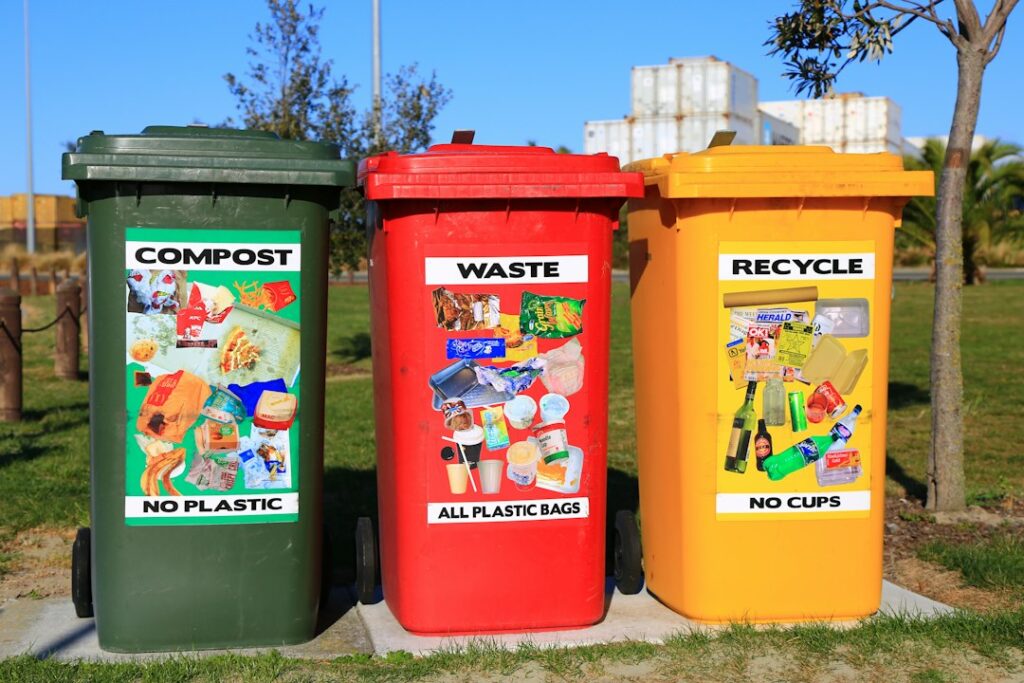
Waste segregation errors provide a focused topic for a nursing sustainability assignment because they connect everyday decisions with safety, resource use and environmental consequences. A strong paper examines why an error occurs and how a practical response would be evaluated.
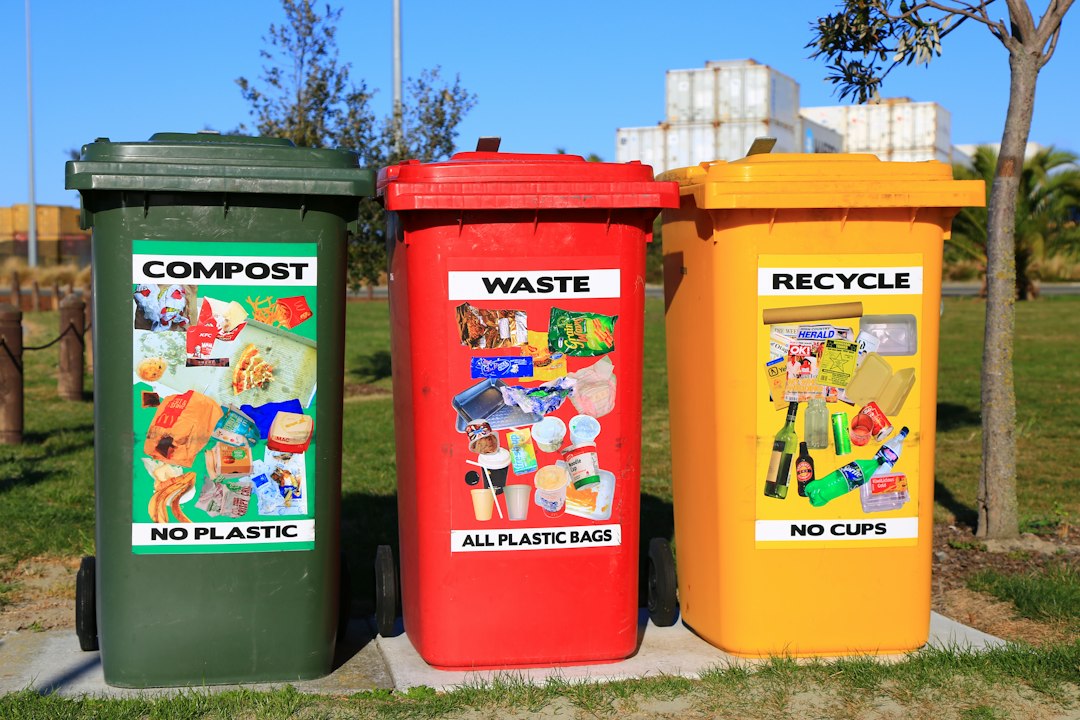
The aim is not simply to argue that recycling is good. Healthcare waste can require specific handling and treatment, so environmental goals must remain compatible with safe classification and local procedures. An assignment should examine the actual waste stream and setting rather than propose a universal bin rule.
This guide uses an England-focused academic context. For wider exposure and community questions, read our environmental health nursing assignment guide. For climate-health pathways, use the separate climate change and nursing essay guide.
Define waste segregation errors precisely
Segregation concerns placing waste into the appropriate stream at the point specified by the applicable procedure. An error must therefore be defined against a valid classification or local rule. A bin that looks wrong to an observer is not sufficient evidence by itself.
NHS England’s Health Technical Memorandum 07-01 provides the relevant England framework. The 2023 edition replaced the earlier version. Its jurisdiction matters: do not assume that every rule applies unchanged in Scotland, Wales, Northern Ireland or another country.
For classification detail, consult the Environment Agency’s healthcare-waste guidance and the approved local procedure. Use the sources to establish the standard before evaluating practice.
Choose a narrow assignment question
A manageable question might examine why one defined waste stream receives incorrectly classified items in a specified clinical area. This creates a clearer analysis than attempting to cover all waste, procurement, energy and carbon issues in one short paper.
Next, decide whether the task is an essay, audit proposal, improvement plan or reflection. The same topic can support different outputs, but the methods and claims must match the assessment.
Also identify what you can legitimately access. A student may be able to analyse a supplied case or approved aggregate information without conducting a physical waste audit. Do not invent observations or assume permission to inspect clinical waste.
Use a fictional case with a clear boundary
Imagine a fictional clinical area where a supplied audit summary identifies non-hazardous packaging in a waste stream intended for a different category. The case also reports unclear labels and inconvenient bin placement. These details are teaching assumptions, not observations from a real service.
The assignment can examine how classification, layout and workflow might contribute. However, it should not infer that all staff lack knowledge or that moving one bin will solve the problem.
Keep the boundary visible. The fictional summary concerns a defined area and period. It cannot establish the organisation’s total waste performance, infection risk or carbon footprint without additional evidence.
Separate safety, classification and sustainability
A sustainability argument needs more than a reduction in one type of waste. First establish whether items are classified correctly and handled safely. Then examine what the change means for resources and environmental impact.
For example, reducing the volume in a particular stream could reflect improved segregation, lower activity or movement into another stream. The number alone does not establish which explanation is correct.
A balanced assignment therefore considers the whole pathway. Explain where the waste goes, what the relevant classification requires and which consequence the proposed intervention can reasonably affect. Avoid claims that a lower disposal cost proves a safer or greener process.
| Dimension | Question | Evidence needed |
|---|---|---|
| Classification | Was the item assigned to the correct stream? | Applicable guidance and local procedure |
| Safety | Could handling or placement create harm? | Approved risk assessment and relevant records |
| Resources | What costs or work change? | Traceable activity and unit-cost information |
| Environment | What impact changes across the pathway? | Appropriate treatment and environmental evidence |
Identify the standard before measuring compliance
An audit needs a criterion that specifies what should happen. Record the source, jurisdiction, version and local applicability. Then define what would count as meeting or failing that criterion.
Do not create a colour-coding rule from memory. Different categories and local arrangements require accurate interpretation. If the classification is unclear, the correct academic response is to identify the uncertainty and the responsible source for clarification.
Also avoid mixing a national framework with an outdated local poster without discussing the conflict. Your assignment should state which standard governs the proposed assessment and how inconsistencies would be resolved through the appropriate organisational process.
Analyse the workflow around disposal decisions
Errors may arise at the moment an item is discarded, but their causes can begin earlier. Examine the task sequence, available containers, labelling, space and responsibility for maintaining the setup.
In the fictional case, an inconveniently placed container may encourage a different disposal choice. However, that possibility needs examination rather than assumption. The same pattern could also reflect unclear instructions or a mismatch between the container and the task.
Describe the mechanism you propose. A sentence saying poor practice causes waste does not identify a useful intervention. Explain what the worker sees, what decision they must make and what prevents the correct choice.
Consider knowledge without blaming individuals
Training can be relevant when the evidence identifies a knowledge gap. It is less convincing as a universal response to every segregation problem. Staff may understand the rule while lacking the equipment, time or layout needed to follow it consistently.
Therefore, distinguish knowledge, opportunity and workflow. A useful assignment might compare a clarification activity with a layout change and explain why the chosen response fits the identified barrier.
Also include temporary staff, students, cleaners and other relevant roles where the case supports their involvement. Do not assume that one nursing-team briefing reaches everyone who interacts with the waste pathway.
Plan data collection safely and legitimately
A physical waste audit can involve hazards and requires organisational procedures, appropriate competence and approval. This article is an academic guide, not an instruction to open bags or handle discarded materials.
For a student assignment, consider whether approved existing audit data, a supplied scenario or a review of the process can answer the question. Explain the chosen information source and its limitations.
If the brief requires a proposed audit, describe the governance route and who would conduct the assessment. Do not write that you collected or inspected waste unless that activity actually occurred within the appropriate authorised process.
Use clear numerators and denominators
Suppose a fictional approved summary reports 20 errors among 100 assessed disposal decisions. That represents 20% under the stated definition. The calculation is a teaching example and does not estimate any real ward’s performance.
Now ask what the denominator includes. Decisions, items, bags, bins and kilograms are different units. A percentage of incorrectly classified items cannot automatically be compared with a percentage by weight.
Also explain the sampling period and coverage. A result from one shift may not represent the full service. If the case supplies no denominator or method, identify the reporting gap rather than producing a confident percentage.
Keep weight, volume and activity distinct
A reduction in kilograms may reflect fewer patients or procedures rather than better segregation. Likewise, the number of bags can change because of container size or filling patterns.
Choose measures that fit the question and explain their units. If you use an activity-adjusted comparison, identify the activity measure and why it is appropriate. Do not assume that every waste stream changes in direct proportion to patient numbers.
In the discussion, consider alternative explanations for a change. A before-and-after comparison becomes more credible when it acknowledges workload, service changes and differences in observation rather than attributing the whole result to a poster or training session.
Compare intervention options
Possible academic options might include clearer labels, revised placement, a responsibility checklist or focused feedback. The assignment should compare their fit with the identified cause instead of listing them as equally necessary.
For example, a label change may help when wording is ambiguous. It may do little when the correct container is inaccessible during the task. A process review could therefore be more relevant than another general awareness message.
Also examine unintended consequences. Moving a container may affect space, accessibility or workflow. A sustainability proposal should include an appropriate safety and operational review rather than assuming that a simple change has no trade-offs.
Make the evaluation match the intervention
If the proposal changes labels, evaluate whether users understand the classification and whether errors change under a comparable assessment method. If it changes layout, examine whether the new arrangement supports the actual task.
Use more than one type of measure where appropriate. A process measure can show whether the intervention occurred, an outcome measure can examine the targeted error, and a balancing measure can identify an unintended burden or risk.
Keep the claims proportionate. A successful local test may justify further evaluation, but it does not automatically demonstrate an organisation-wide reduction in environmental impact.
Avoid unsupported carbon and cost claims
Different treatment pathways can have different consequences, but an assignment needs a defensible source before assigning an emissions figure. Do not invent a conversion from bags or kilograms to carbon savings.
Similarly, a quoted disposal price may exclude transport, handling, staff time or contractual arrangements. State what the figure includes and avoid presenting a partial price as the total cost of the pathway.
Where data are unavailable, discuss the direction of the question rather than fabricating precision. You can explain why correct classification may affect resource use while stating that the case does not permit a reliable monetary or emissions estimate.
Include procurement and waste prevention without losing focus
The waste hierarchy can prompt questions about prevention and resource use before disposal. However, your assignment should not drift into every procurement issue if its main question concerns segregation errors.
Use a short boundary statement. For example, the paper may acknowledge that preventing unnecessary waste matters while evaluating a specific disposal decision in the supplied scenario.
This keeps the scope coherent. A recommendation to change purchasing arrangements needs its own evidence, authority and evaluation. Do not add it merely because it sounds more ambitious than improving the immediate process.
Write a critical nursing paragraph
Begin with the reported error and its evidence. Explain the plausible workflow mechanism, consider an alternative explanation and justify the response you would evaluate.
For example: the fictional audit identifies incorrect placement of a defined item category, while the case also reports unclear labels. A clarification intervention may therefore be relevant. However, inconvenient container placement could remain a barrier, so the evaluation should examine both understanding and task conditions.
This paragraph links evidence with a decision without blaming staff or promising a quantified environmental benefit. Add sources for the applicable classification and make clear which details belong to the fictional case.
Build an assignment structure around the problem
Start with the setting, waste stream and reason the question matters. Then establish the standard and describe the supplied evidence or proposed information source. Explain limitations before interpreting the pattern.
Next, analyse the likely causes and compare feasible responses. Include responsibilities, implementation conditions and evaluation. Keep the nursing contribution visible while identifying decisions that belong to waste-management or other specialist teams.
Conclude with a recommendation proportionate to the evidence. A proposal for a small authorised test can be stronger than a sweeping claim that the whole organisation should immediately change its disposal system.
Review the ethics and reporting
Avoid including identifiable patient information, photographs of sensitive material or unnecessary details about individuals. An assignment usually needs the process and aggregate pattern, not a record that exposes people or confidential care information.
Also separate observed findings from proposed actions. If you analyse a supplied audit summary, do not imply that you conducted the audit. If the intervention has not occurred, describe the expected evaluation rather than inventing an improvement result.
Finally, use accurate dates and versions in the references. Waste guidance can change, and jurisdiction matters. A citation should support the actual rule or principle in the sentence attached to it.
Practical checklist
- Define one waste stream and setting.
- Identify the applicable England and local guidance.
- Separate classification, safety, cost and environmental claims.
- Use approved information sources and clear units.
- Examine workflow as well as knowledge.
- Choose an intervention that addresses the evidence.
- Evaluate unintended effects.
- Avoid invented audits, prices or emissions estimates.
Clarify responsibility across the waste pathway
A segregation proposal should identify who maintains the conditions for correct decisions. Nurses may interact with the point of disposal, while other teams manage containers, collection, training, contracts or specialist advice.
Map those responsibilities before recommending a change. If a label becomes unclear or a container is unavailable, state how staff would report the issue and which role would resolve it. A plan that assigns every problem to individual vigilance can overlook the system needed to support safe practice.
Next, consider handovers between teams. A classification decision can affect later handling, so an improvement should not stop at the moment an item leaves the clinical area. Explain which downstream team needs to review the proposal and what information they require.
Finally, keep authority realistic. A student assignment can recommend an authorised review or test, but it should not imply that one practitioner can independently change contractual waste arrangements. Clear responsibilities make the proposal more credible and help connect sustainability goals with the organisation’s actual safety and operational processes.
Frequently asked questions
Should I reproduce a colour-coding chart?
Only if it is relevant, current and appropriate to the jurisdiction. Use the authoritative guidance and local procedure rather than recreating a universal chart from memory.
Can I inspect waste bags for my assignment?
Do not undertake physical inspection without the appropriate organisational authorisation, competence and safety procedures. A supplied case or approved existing data may be the appropriate academic source.
Does less clinical waste always mean better segregation?
No. Activity, recording and movement between streams can also affect the result. Explain the denominator and consider alternative explanations.
Must I calculate carbon savings?
Only if the brief and evidence support the calculation. An unsupported number weakens the assignment. Describe the data needed when a reliable estimate is not possible.
Can I use England’s guidance for another country?
Do not assume direct applicability. Identify the relevant local framework and explain any comparison rather than blending different legal and operational requirements.
Get feedback on your sustainability assignment
Our environmental health nursing assignment support can help you connect evidence, professional roles and a focused evaluation plan.
Get My Nursing Assignment Quote. Send your brief and draft for feedback on your own analysis, with any real audit or practice change following the appropriate organisational process.
Conclusion
Waste segregation errors are best analysed through a precise standard, a clear account of the workflow and a safe source of evidence. Keep environmental goals connected to classification and patient safety. A strong nursing sustainability assignment recommends a feasible response and explains how its actual consequences would be evaluated.
References
- NHS England (2023) Health Technical Memorandum 07-01: Safe and sustainable management of healthcare waste. Official publication page.
- Environment Agency (n.d.) Healthcare and related wastes: how to classify. Official classification guidance.